Running out of cleaning supplies mid-job is more than an inconvenience – it is a professionalism killer. When a cleaner has to leave a client’s home to buy glass cleaner or arrives without enough trash bags for a commercial contract, your business looks unprepared. And unprepared businesses lose clients.
Inventory management for cleaning software solves this by tracking supply levels, automating reorders, and connecting consumption to specific jobs and clients. Instead of guessing how much product you need next week, the system tells you. This guide covers why inventory tracking matters, what features to prioritize, and how to integrate it into your cleaning operations.
Why Cleaning Businesses Struggle with Inventory
Cleaning supplies seem simple to manage until they are not. The challenges multiply as your business grows:
Consumption varies by job type. A standard residential cleaning uses different supplies and quantities than a post-construction cleanup or a commercial office floor. Without tracking consumption by job type, you cannot predict demand accurately.
Multiple teams mean multiple supply points. When three cleaning crews each carry their own supplies, tracking what is available across the entire operation becomes guesswork. One crew runs out of disinfectant while another has excess stock sitting in their van.
Theft and waste go undetected. Without inventory tracking, you have no way to know whether supplies are being used efficiently, wasted, or disappearing. Cleaning supply management software creates accountability by tracking what goes where.
Emergency purchases cost more. When you run out of a critical supply and need to buy it at retail instead of from your wholesale supplier, you pay a premium. Planned purchasing from wholesale channels saves 20 to 40 percent compared to emergency retail runs.
Seasonal demand spikes catch you off guard. Spring cleaning season, back-to-school deep cleans, and holiday preparation periods all increase supply consumption. Without historical data, you understock and scramble, or overstock and tie up cash in excess inventory.
5 Inventory Features Every Cleaning Business Needs
1. Real-Time Stock Tracking
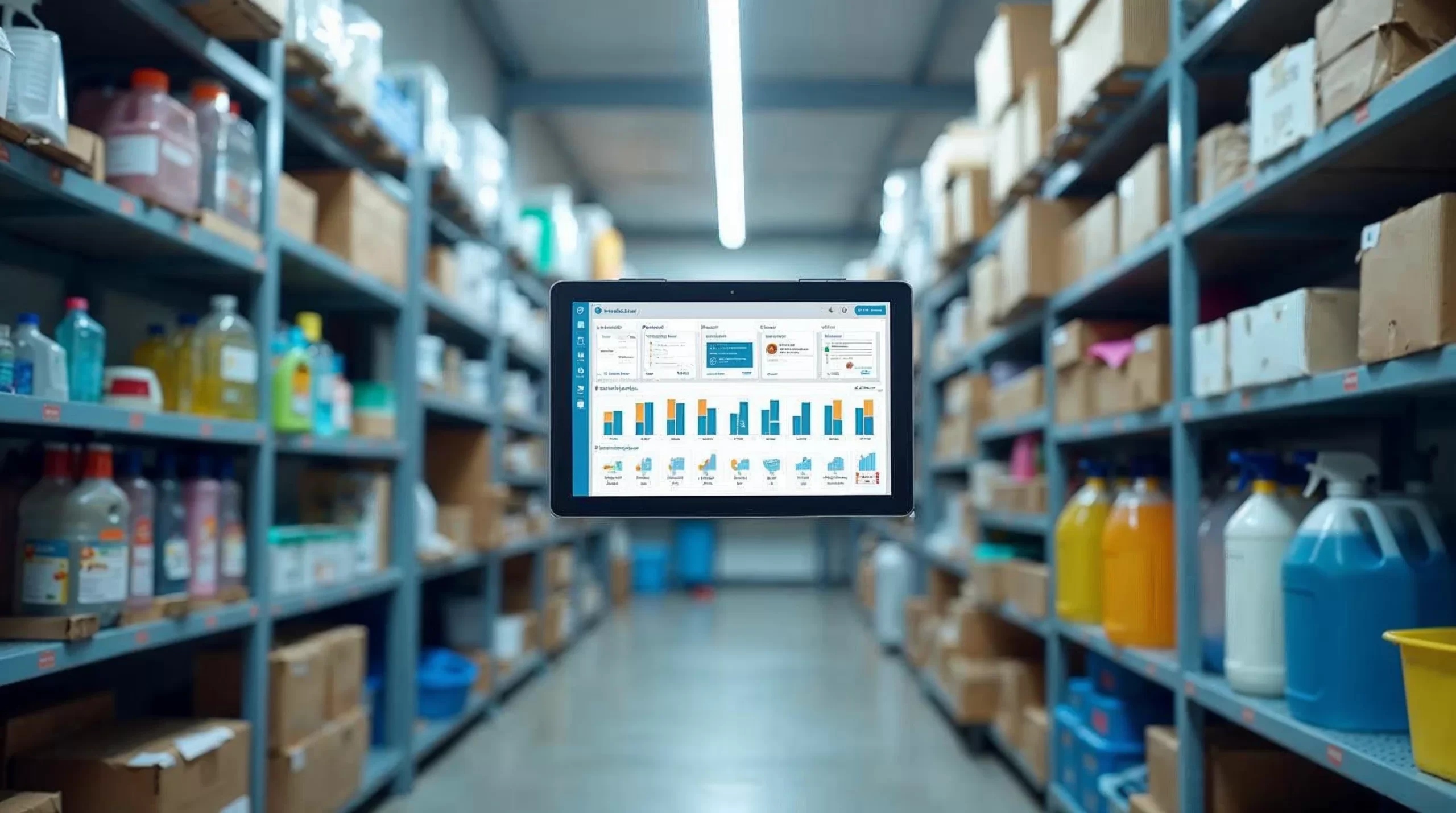
The foundation of cleaning stock management software is knowing what you have right now. The system should track current quantities of every supply item – from all-purpose cleaners and disinfectants to microfiber cloths and vacuum bags.
When a team checks supplies out for a job, the inventory updates automatically. When stock drops below your set minimum, the system alerts you before you run out.
2. Automated Reorder Alerts
Manual inventory checks are time-consuming and unreliable. Cleaning supply tracking software with automated alerts notifies you when any item reaches its reorder point. Set minimum quantities based on your usage patterns, and the system handles the monitoring.
Some platforms go further by generating purchase orders automatically and sending them to your preferred suppliers. Automated inventory software for cleaners lets you approve with one click, and the order ships before you run out.
3. Consumption Tracking by Job Type
Understanding how much product each type of cleaning job uses is critical for accurate quoting and profitability analysis. Cleaning business inventory software that tracks consumption by job type reveals patterns you cannot see otherwise.
For example, if your commercial office cleanings use twice as much glass cleaner as expected, that data should inform your pricing. If one team consistently uses more supplies than others for similar jobs, that signals a training opportunity or potential waste.
4. Multi-Location and Multi-Team Management
Cleaning companies with multiple teams or locations need to track inventory across all supply points. Inventory software for cleaning companies should show stock levels per vehicle, per warehouse, and per team in one dashboard.
Transfer tracking between locations prevents situations where one team hoards supplies while another runs short. The system shows where every item is and enables transfers with a few taps.
5. Cost Tracking and Budget Management
Supplies are a significant expense for cleaning businesses. Cleaning product inventory management that tracks costs per item, per vendor, and per job gives you the data to negotiate better deals and control spending.
Monthly reports on supply costs relative to revenue help you set accurate budgets. Supply chain management cleaning software shows exactly where costs creep up and why — whether from price increases, waste, or changing job mix.

How Poor Inventory Management Hurts Your Bottom Line
The financial impact of disorganized inventory extends beyond the obvious cost of buying supplies:
Underquoting jobs. When you do not know your true supply costs per job, you underquote and erode margins. Accurate consumption data ensures your pricing covers all costs including materials.
Client dissatisfaction. Showing up without the right supplies forces your team to improvise or reschedule. Both outcomes damage client trust and increase the risk of losing the account.
Wasted admin time. Without a system, someone in your organization spends hours each week counting supplies, making shopping lists, and placing orders. That time has a real cost.
Excess inventory ties up cash. Buying too much ties up working capital in products sitting on shelves. Smart inventory management maintains optimal stock levels — enough to prevent shortages without overinvesting.
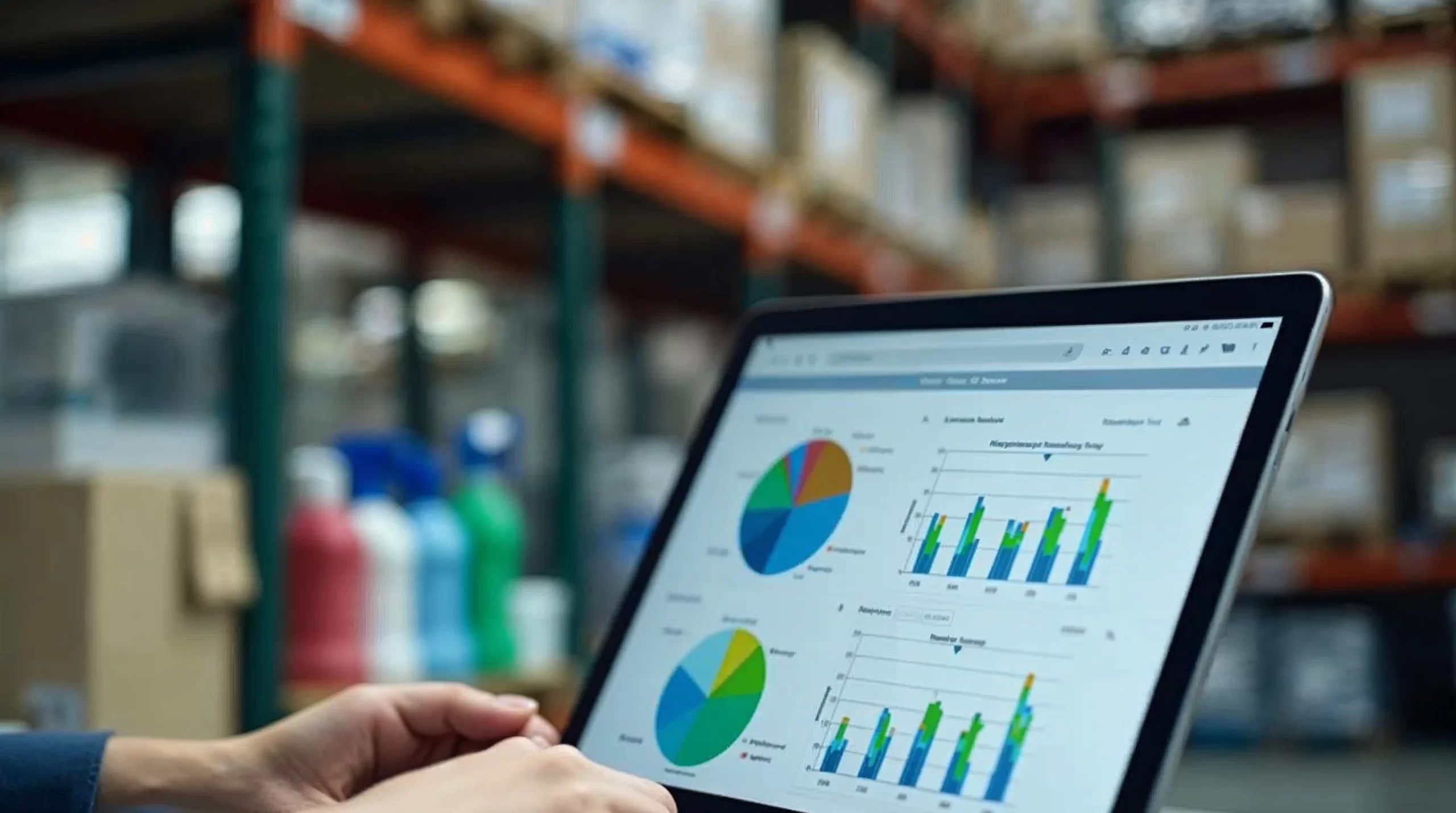
How ServiceDeck Connects Inventory to Your Operations
ServiceDeck integrates inventory awareness into the broader field service workflow, connecting supply management to scheduling, job completion, and financial tracking.
Job-linked inventory tracking connects supply consumption to specific jobs and clients. When a team completes a job, the supplies used are logged, providing data for accurate job costing and future quoting. This insight helps you simplify operations and understand true profitability.
Mobile access lets team leaders check inventory levels, report usage, and flag shortages from their phones. No more end-of-day inventory counts — data flows in real time as supplies are used in the field.
Integrated financial tracking connects supply costs to your invoicing and accounting workflow. When you know exactly what each job costs in labor and materials, you can price services confidently and get paid faster with invoices that reflect actual costs.
Works across all cleaning niches. Whether you manage supplies for residential cleaning, commercial contracts, or specialty services, ServiceDeck adapts to your inventory needs. From small cleaning businesses with a single supply closet to companies with multiple warehouses, the platform scales with you.
Connected scheduling and inventory means you can see not just when a job is scheduled, but whether the assigned team has the supplies they need. This prevents the costly scenario of arriving at a job site unprepared. Learn how this connects with booking software for a complete operational picture.
Ready to win more work by showing up prepared every time? Book a demo to see how ServiceDeck handles inventory for cleaning operations.
Frequently Asked Questions
What is inventory management for cleaning software?
It is a system that tracks cleaning supply levels, monitors consumption by job and team, automates reorder alerts, and connects supply costs to your financial records. Whether you call it janitorial supply inventory software or cleaning inventory management, the goal is to prevent shortages, reduce waste, and provide accurate data for job costing and pricing decisions.
Do I need dedicated inventory software for my cleaning business?
For businesses with fewer than five regular clients and one team, basic spreadsheet tracking may suffice. Once you have multiple teams, varied job types, or significant supply expenses, dedicated cleaning inventory management software saves time and prevents costly shortages. The investment pays for itself through reduced emergency purchases and better supply utilization.
How does inventory tracking improve profitability?
Inventory tracking improves profitability in three ways: it prevents emergency retail purchases that cost 20-40% more than wholesale, it provides accurate supply cost data for job pricing, and it reduces waste by creating accountability for how supplies are used.
Can inventory software integrate with my existing cleaning business tools?
Yes. Platforms like ServiceDeck integrate inventory tracking with scheduling, invoicing, and accounting. This connected approach means supply data flows into your financial records automatically, eliminating manual tracking and providing a complete picture of job profitability.
What supplies should cleaning businesses track in inventory software?
A comprehensive cleaning supplies inventory system should track everything that impacts your ability to complete jobs: cleaning chemicals, disinfectants, glass cleaners, floor solutions, microfiber cloths, mop heads, trash bags, gloves, paper products, vacuum bags and filters, and specialty items for specific job types. Cleaning equipment tracking software should also monitor maintenance items like vacuum belts and buffer pads.
Conclusion
Running out of supplies is preventable. Overspending on inventory is avoidable. But both require visibility that manual tracking cannot provide at scale. Effective inventory management cleaning business owners implement gives that visibility – real-time stock levels, automated reorders, consumption tracking, and cost analysis that protects your margins.
Stop guessing and start managing. Book a demo and see how ServiceDeck connects inventory to every part of your cleaning operation.
The ServiceDeck team brings decades of combined experience in field service management, helping businesses streamline operations and grow.