
Running a pest control company gets complicated fast when your team is juggling dispatch, technician notes, recurring service plans, customer communication, and billing across separate tools. That is why pest control business management software has become essential for operators who want more control without adding more office overhead. If you are looking for a practical way to reduce manual work, the right platform can replace daily chaos with a repeatable system your team can actually follow.
The best management tools do more than schedule jobs. They connect your office and field team, standardize communication, and reduce the small errors that quietly slow growth. For companies trying to improve service quality while handling more accounts, pest control workflow automation is not a nice extra anymore. It is the difference between a business that stays stuck in admin work and one that scales with confidence.
Why Pest Control Companies Need Better Management Systems
Pest control businesses have a lot of moving parts. One missed renewal, one delayed technician, or one incomplete treatment record can create extra work for the entire team.
Office staff spend too much time chasing updates. When schedules live in one tool, notes live somewhere else, and payments are tracked manually, nobody has a clear picture of what is happening in real time.
Recurring service is easy to mishandle. Many companies depend on repeat visits, seasonal treatments, and follow-up inspections. Without a structured system, it is easy to miss future work or lose track of customer commitments.
Technicians work without enough context. If field staff arrive without treatment history, property notes, or customer details, they spend valuable time trying to recreate information that should already be available.
Communication becomes inconsistent. Customers want reminders, updates, and clear records. When messages are sent manually or tracked poorly, trust drops quickly.
Billing lags behind completed work. Manual invoicing slows cash flow and creates gaps between the job performed and the payment collected.
These challenges are exactly why a unified management platform matters. Instead of leaving each team member to manage their own workflow, the software creates one shared operating system for the business.
What Good Management Software Should Do
Not every field service platform is built for the needs of pest control teams. The right system should support both day-to-day field work and the back-office processes that keep the business running.
Organize Scheduling and Recurring Service
Strong pest control scheduling software helps you book new jobs, manage recurring visits, adjust routes, and respond to urgent calls without confusion. It should also make it easy to see which technician is available and which properties require follow-up.
Standardize Service Records and Inspections
Clear digital records are critical in pest control. Your team should be able to capture service notes, inspection findings, photos, and treatment details in one place. This is one of the most practical forms of pest control workflow automation because it reduces duplicate admin work and makes future visits easier to manage.

Improve Team Communication
The office should know what is happening in the field without calling technicians all day. Technicians should know what the customer expects before they arrive. When communication improves, the entire business becomes easier to manage.
Speed Up Billing and Follow-Up
Good pest control operations software should connect job completion to invoicing, reminders, and customer follow-up. That creates a smoother handoff from field work to revenue collection.
Reduce Manual Admin Tasks
If you are asking how to automate pest control business processes, this is the core answer. The platform should automate reminders, status updates, recurring service schedules, technician visibility, and documentation wherever possible.
How ServiceDeck Helps Pest Control Teams Stay Organized
ServiceDeck is designed for field service businesses that need more than a calendar and a notes app. It gives pest control companies a connected system for dispatch, service records, team communication, and payments, all from one platform.
One Place for Scheduling, Dispatch, and Job Management
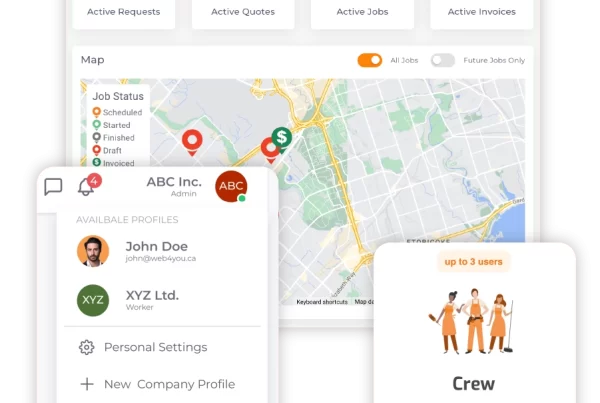
ServiceDeck gives your office a live view of jobs, team availability, and service progress. That makes a connected management platform useful in the real world, not just on paper. Instead of reacting to every issue with calls and texts, dispatchers can see what is happening and make adjustments quickly.
For growing teams, pest control scheduling software has to do more than book appointments. It has to support route planning, recurring visits, and day-to-day field coordination. ServiceDeck helps teams handle those moving parts without losing visibility.
Digital Documentation That Keeps Records Clean
ServiceDeck helps technicians complete inspection notes, upload photos, and document service outcomes while they are still on-site. That is a big step toward automation because it removes the need to re-enter information later.
When your records are digital and centralized, follow-up visits become more consistent. Office staff can answer customer questions faster, and technicians arrive with the full picture already in hand. This is a key reason pest control operations software creates such a noticeable improvement in service quality.
Better Visibility Across the Entire Team
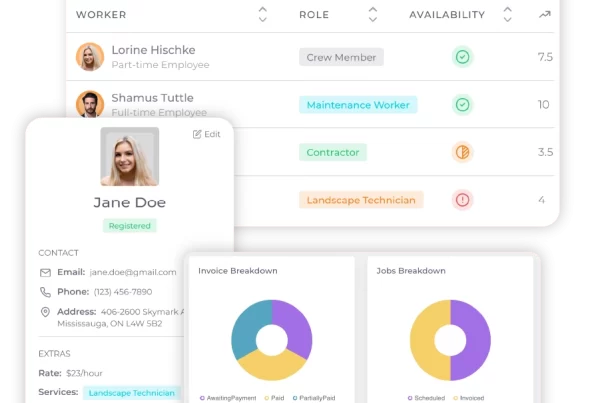
Management software only works if it helps the office and field team stay aligned. ServiceDeck makes job progress, team activity, and customer status easier to track in real time. That type of visibility supports a smoother workflow because the next step in the process becomes clearer for everyone.
Automated Reminders and Customer Follow-Up
Recurring service businesses depend on staying proactive. ServiceDeck helps automate confirmations, reminders, and post-service communication so your staff does not have to remember every message manually.
If you are evaluating automation opportunities, customer communication is one of the easiest places to start. Automating those repetitive steps helps protect retention and improves the customer experience at the same time. ServiceDeck also helps you centralize communication so your office has fewer disconnected conversations to manage.

Faster Invoicing and Smoother Operations
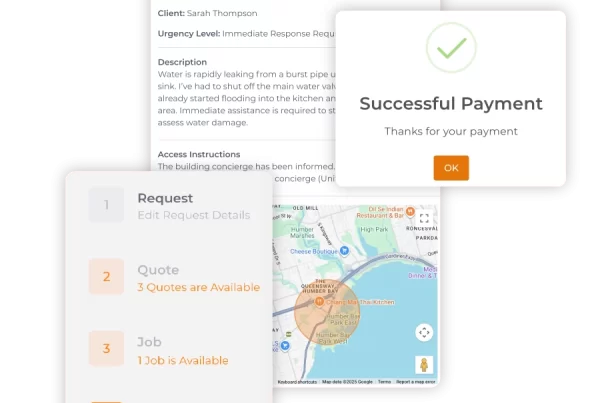
Once job details are already in the system, invoicing becomes much easier. ServiceDeck supports a cleaner handoff from completed work to billing, which is one reason a connected platform can have such a big financial impact. It also helps teams get paid faster instead of waiting days to send invoices.
For owners comparing pest control operations software options, this matters because delayed billing quietly hurts cash flow. A connected platform closes that gap.
A Practical System for Growth
ServiceDeck is not built to impress with complexity. It is built to help service businesses run with less friction. That is what makes it useful for owners who want simpler automation without forcing the team into a complicated setup.
Whether you are managing a small route-based team or preparing to grow into a larger operation, ServiceDeck gives you the structure to scale more cleanly. If your current tools are making the day harder than it needs to be, book a demo to see how ServiceDeck can simplify the way your business runs.
Frequently Asked Questions
What does this software handle?
It is software that helps pest control companies manage scheduling, dispatch, customer records, technician workflows, invoicing, and communication from one system instead of multiple disconnected tools.
How do I automate pest control business tasks?
The best way is to use a platform that automates recurring scheduling, reminders, documentation, job tracking, and billing workflows. That is the most effective long-term answer to streamlining operations without adding more office labor.
Why is workflow automation important?
It reduces repetitive admin work, improves consistency, and helps your team move faster with fewer mistakes. It also makes it easier to maintain service quality as the business grows.
What should I look for in operations software?
Look for scheduling, mobile documentation, recurring-service management, technician visibility, invoicing, and customer communication tools in one platform. The goal is to create one reliable workflow instead of switching between separate systems.
Does pest control scheduling software help small teams?
Yes. Smaller teams benefit even more because they have less room for scheduling mistakes, missed visits, and wasted drive time. Good scheduling tools help them stay organized without needing a large office staff.
Conclusion
The real value of pest control business management software is not just efficiency. It is consistency. When scheduling, records, communication, and billing all work together, your team can spend less time fixing process problems and more time serving customers well.
If you are looking for a real answer to how to automate pest control business workflows, ServiceDeck gives you a practical place to start. With stronger pest control workflow automation, clearer records, and better day-to-day visibility, your team can run a tighter operation and grow without the same level of friction. Book a demo to see how ServiceDeck can help.
The ServiceDeck team brings decades of combined experience in field service management, helping businesses streamline operations and grow.